 Cabin
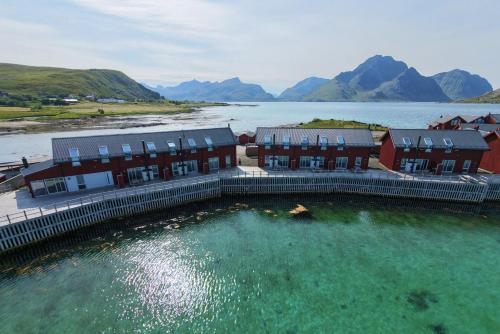
Cabin1. Spectacular Waterfront Fishermans Cabin - Rorbu
In Gravdal, about 7 km from Lofoten Islands · Fjords
€342/ nightPrice checked September 27, 2026
View & bookJagged peaks rising straight from the Arctic sea and red fishermen’s cabins on stilts — the Lofoten Islands turn the traditional rorbu into one of Europe’s most spectacular tiny stays.
53 verified tiny houses · 9.0/10 · 12879 reviews · Latest check: September 27, 2026 · see on the map →
Fjords
June–August (midnight sun), September–March (auroras) In season now
Fly to Leknes/Svolvær.
Mild for the latitude (Gulf Stream); dramatic.
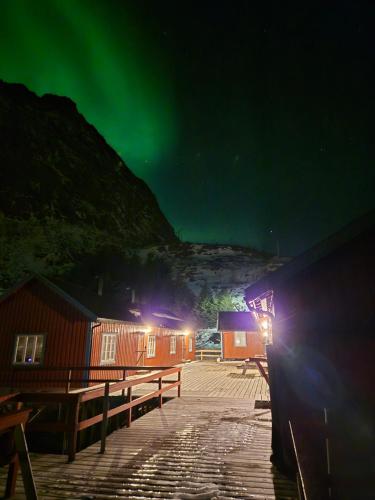
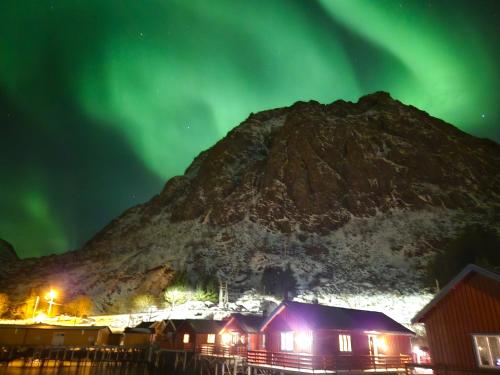
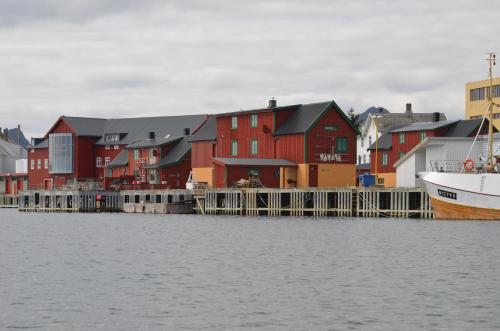
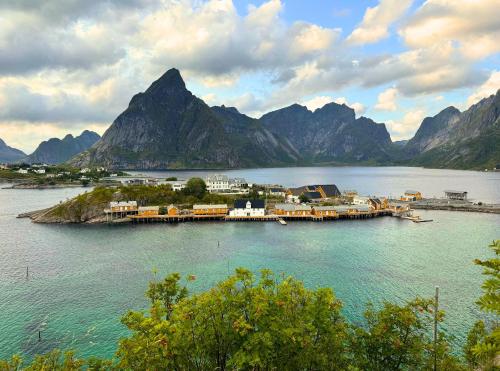
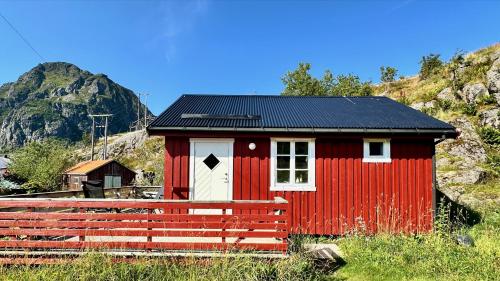
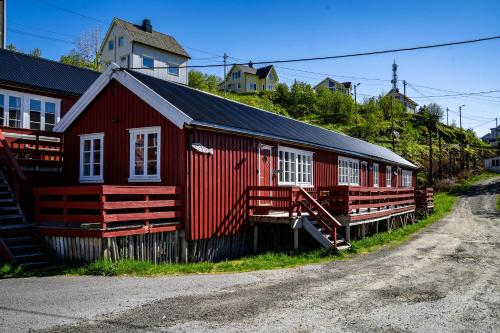
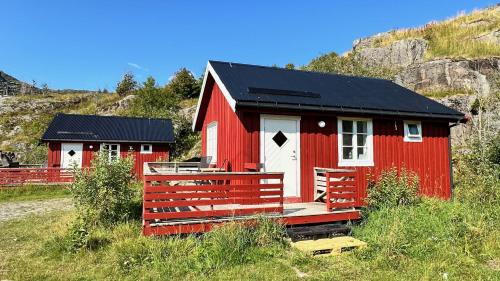
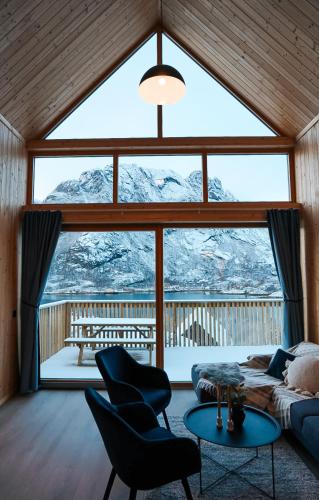
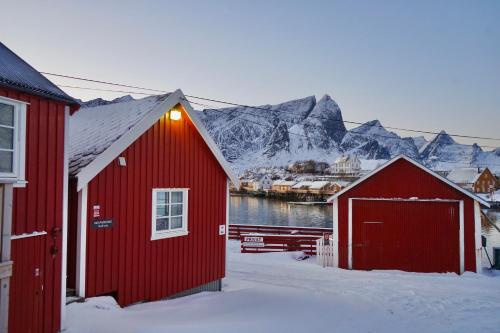
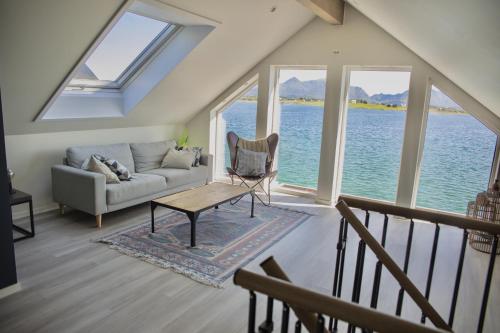
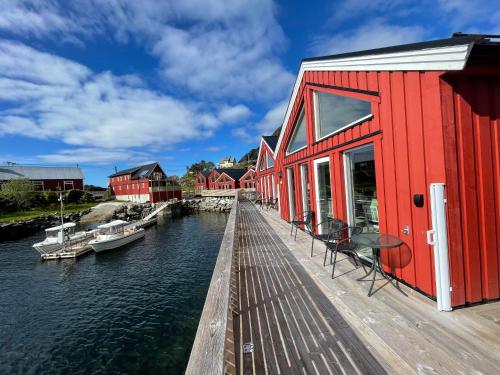
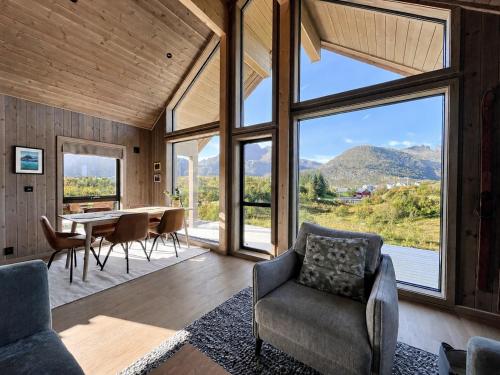
Staying in a rorbu — a traditional red fishermen's cabin on stilts above the water — is the definitive Lofoten experience, and today many have been thoughtfully converted into compact, well-heated tiny stays with picture windows framing the Vestfjorden peaks. In summer under the midnight sun, the light never fully leaves: you can hike to Reinebringen at 11 pm with pink alpenglow on the water below. In winter, the same darkness that makes photography so extraordinary also means you dress in serious layers — but the Gulf Stream keeps temperatures far gentler than the latitude suggests.
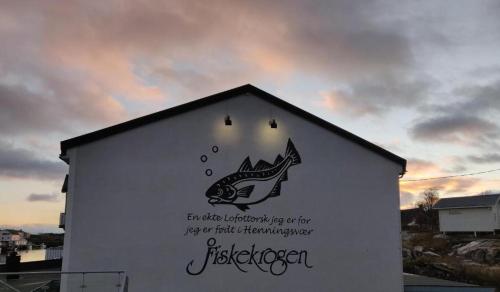
Henningsvær's cluster of islet buildings and the preserved village of Nusfjord are both within a short drive of most cabins, and sea-kayaking between mountain reflections is something few places on earth can match. Pack accordingly for either season — the weather flips fast.
Mild for the latitude (Gulf Stream); dramatic.
Live Kp-index (NOAA space weather)
CabinIn Gravdal, about 7 km from Lofoten Islands · Fjords
 Cabin Verified
In Stamsund, about 7 km from Lofoten Islands · Fjords
 Cabin
CabinIn Moskenes, about 41 km from Lofoten Islands · Fjords
 Cabin
CabinIn Napp, about 11 km from Lofoten Islands · Fjords
 Cabin
CabinIn Moskenes, about 41 km from Lofoten Islands · Fjords
 Cabin
CabinIn Stamsund, about 7 km from Lofoten Islands · Fjords
 Cabin
CabinIn Reine, about 34 km from Lofoten Islands · Fjords
 Cabin
CabinIn Reine, about 33 km from Lofoten Islands · Fjords
 Cabin
CabinIn Napp, about 11 km from Lofoten Islands · Fjords
 Cabin
CabinIn Bøstad, about 18 km from Lofoten Islands · Fjords
 Cabin
CabinIn Stamsund, about 7 km from Lofoten Islands · Fjords
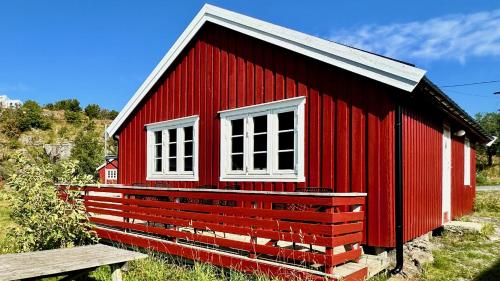 Cabin
CabinIn Sørvågen, about 41 km from Lofoten Islands · Fjords
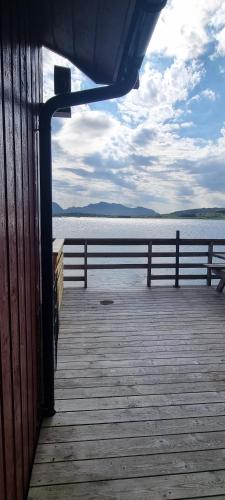 Cabin Verified
In Leknes, about 8 km from Lofoten Islands · Fjords
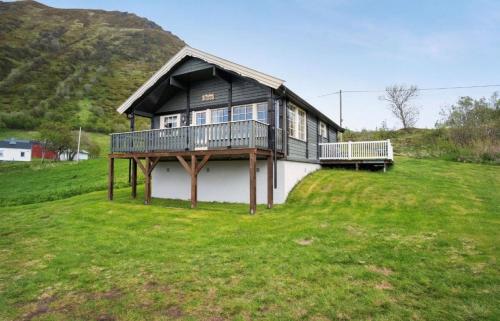 Cabin
CabinIn Alstad, about 17 km from Lofoten Islands · Fjords
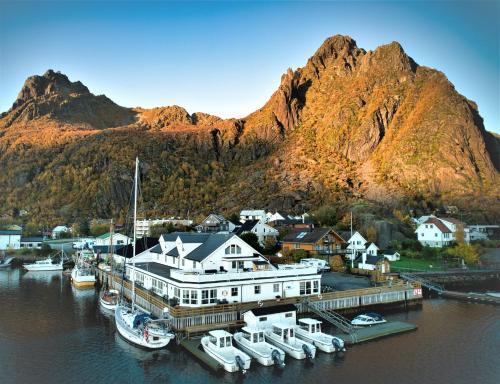 Cabin
CabinIn Svolvær, about 38 km from Lofoten Islands · Fjords
 Cabin
CabinIn Laukvik, about 39 km from Lofoten Islands · Fjords
 Cabin
CabinIn Ramberg, about 26 km from Lofoten Islands · Fjords
 Cabin
CabinIn Sørvågen, about 41 km from Lofoten Islands · Fjords
 Cabin
CabinIn Å I Lofoten, about 42 km from Lofoten Islands · Fjords
 Cabin
CabinIn Sørvågen, about 41 km from Lofoten Islands · Fjords
 Cabin
CabinIn Sørvågen, about 41 km from Lofoten Islands · Fjords
 Cabin
CabinIn Sørvågen, about 40 km from Lofoten Islands · Fjords
 Cabin
CabinIn Gravdal, about 7 km from Lofoten Islands · Fjords
 Cabin
CabinIn Sørvågen, about 41 km from Lofoten Islands · Fjords
 Cabin
CabinIn Moskenes, about 33 km from Lofoten Islands · Fjords
 Cabin
CabinIn Henningsvær, about 21 km from Lofoten Islands · Fjords
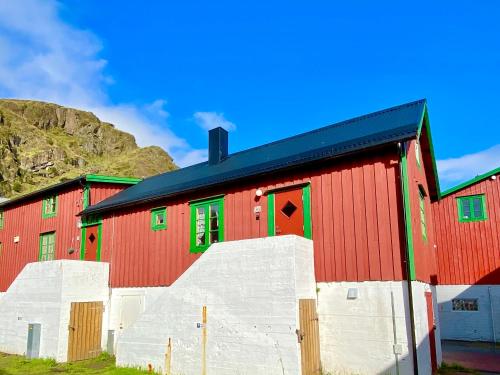 Cabin
CabinIn Stamsund, about 6 km from Lofoten Islands · Fjords
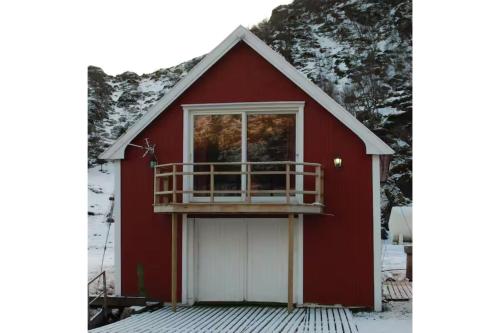 Cabin
CabinIn Napp, about 11 km from Lofoten Islands · Fjords
 Cabin
CabinIn Ramberg, about 26 km from Lofoten Islands · Fjords
 Cabin Verified
In Stamsund, about 7 km from Lofoten Islands · Fjords
 Cabin
CabinIn Vagan, about 33 km from Lofoten Islands · Fjords
 Cabin
CabinIn Napp, about 10 km from Lofoten Islands · Fjords
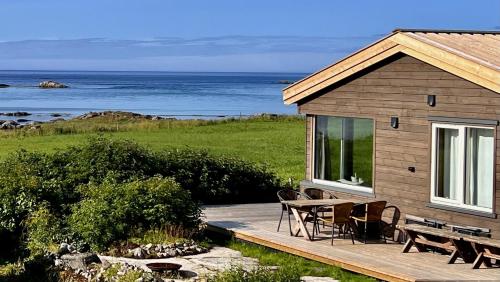 Cabin
CabinIn Gimsøy, about 29 km from Lofoten Islands · Fjords
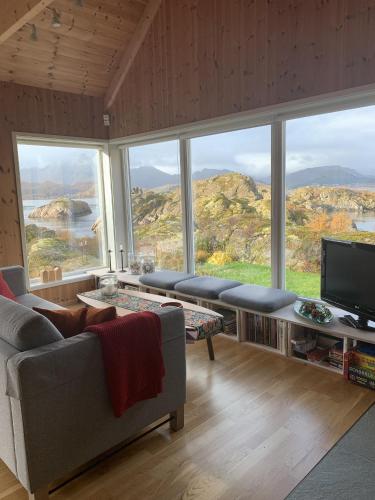 Cabin
CabinIn Leknes, about 6 km from Lofoten Islands · Fjords
 Cabin
CabinIn Napp, about 10 km from Lofoten Islands · Fjords
 Cabin
CabinIn Kabelvåg, about 32 km from Lofoten Islands · Fjords
 Cabin
CabinIn Hopen, about 27 km from Lofoten Islands · Fjords
 Cabin
CabinIn Kleppstad, about 23 km from Lofoten Islands · Fjords
 Cabin
CabinIn Reine, about 34 km from Lofoten Islands · Fjords
 Cabin
CabinIn Urda, about 28 km from Lofoten Islands · Fjords
 Cabin
CabinIn Ramberg, about 26 km from Lofoten Islands · Fjords
 Cabin
CabinIn Moskenes, about 43 km from Lofoten Islands · Fjords
 Cabin
CabinIn Leknes, about 8 km from Lofoten Islands · Fjords
 Cabin
CabinIn Stamsund, about 7 km from Lofoten Islands · Fjords
 Cabin
CabinIn Leknes, about 5 km from Lofoten Islands · Fjords
 Cabin
CabinIn Sørvågen, about 40 km from Lofoten Islands · Fjords
 Cabin
CabinIn Tind, about 41 km from Lofoten Islands · Fjords
 Cabin
CabinIn Ballstad, about 12 km from Lofoten Islands · Fjords
 Cabin
CabinIn Ballstad, about 11 km from Lofoten Islands · Fjords
 Cabin
CabinIn Sennesvik, about 6 km from Lofoten Islands · Fjords
 Cabin
CabinIn Bøstad, about 18 km from Lofoten Islands · Fjords
 Cabin
CabinIn Svolvær, about 37 km from Lofoten Islands · Fjords
 Cabin
CabinIn Leknes, about 8 km from Lofoten Islands · Fjords
See all stays in Lofoten Islands on Booking.comIncludes hotels and apartments, not only tiny houses.
Every place is checked by name and type before it goes live — no hotel rooms, no ordinary apartments.
These stays we confirmed with an outside source on top, and amenities like hot tubs count only once verified — never guessed.
Your booking completes on Booking.com or Vrbo at their price. The atlas earns a small commission, at no cost to you.
Both seasons are special but very different: summer (June–August) brings the midnight sun, long hiking days and accessible kayaking, while September–March offers the northern lights and dramatic winter light, though some cabin operators close between seasons.
Fly into Leknes or Svolvær from Oslo or Bergen — flights take under two hours; you can also arrive by the overnight Hurtigruten coastal ferry from Bergen, which is itself a scenic journey.
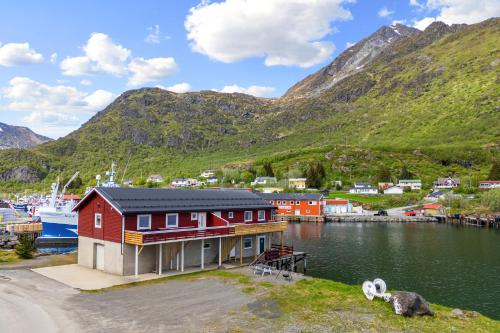
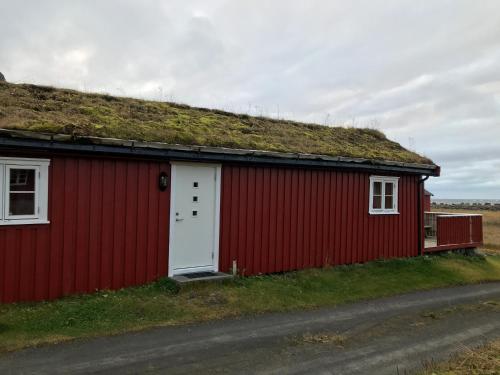
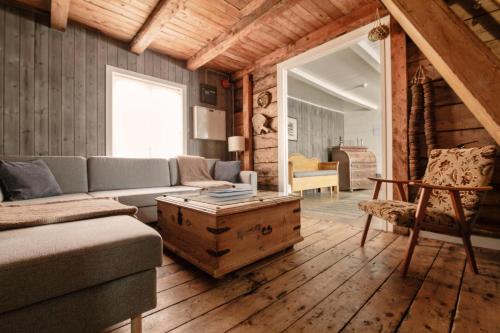
Traditional rorbu are compact wooden cabins originally built for seasonal fishermen, now modernised with heating and kitchenettes; most sleep two to six people, sit right on or over the water, and have direct views of the surrounding peaks.
Booking sites don’t have a “tiny house” category — they file these stays under the generic “Accommodation” label. So we check every place by name and type and list only genuine free-standing small homes: tiny houses (on wheels or fixed), cabins, glamping pods, shepherd huts, yurts, domes and tree houses. No hotel rooms, no ordinary apartments.
The atlas currently lists 5517 hand-checked small stays across 485 destinations in 79 countries — 3731 of them additionally verified through independent research with a documented source.
Prices and availability come from our booking partners and can change at any time. Booking links are affiliate links — booking through them supports this site at no extra cost to you. Property type is checked from the listing name and category; if you spot a mistake, let us know.