The magic of a yurt is the circle. A round room has no corners, the heat from a central stove reaches all of it, and the crown skylight at the top — the toono, in Mongolian — frames a coin of sky you can watch from bed. The ones in our atlas are glamping yurts, not nomad tents: insulated, usually with a proper bathroom, built to sit out a snowy night. Here's where they cluster, filtered to the real thing, live — and one region runs away with it.
Where the yurts are — live
Regions ranked by how many verified yurts we currently list, with the median nightly price and the guest rating. Tap through to whichever still has dates left.
| Destination | Matching stays | Typical price | Guest rating |
|---|---|---|---|
| Alaska, United States | 15 | €202 | 9.8 |
| Joshua Tree, United States | 10 | €201 | 9.6 |
| Issyk-Kul South Shore, Kyrgyzstan | 9 | €71 | 9.5 |
| Karakol & Jeti-Ögüz, Kyrgyzstan | 8 | €64 | 9.2 |
| Texas Hill Country, United States | 7 | €568 | — |
| West Sussex Downs, United Kingdom | 5 | €232 | 9.3 |
| Maggie Valley, United States | 4 | €243 | — |
| Bryson City, United States | 3 | €334 | 10.0 |
| East Devon & Sidmouth, United Kingdom | 3 | €138 | 9.1 |
| Kaʻū & Ocean View (Big Island), United States | 3 | €152 | 9.4 |
| Pembrokeshire, United Kingdom | 3 | €185 | 8.4 |
| West Dorset & the Jurassic Coast, United Kingdom | 3 | €194 | — |
| Wicklow Mountains, Ireland | 3 | €162 | 9.1 |
| Alsace & Vosges, France | 2 | — | 9.5 |
| Bend, United States | 2 | — | 4.5 |
Live from our database — these numbers recalculate on every page view.
1. Alaska — the yurt capital by a mile
No surprise, given the winters: Alaska has embraced the yurt like nowhere else in our atlas, and by a distance. A round room with a wood stove is a genuinely smart way to sit out a sub-zero night, and outside Anchorage, on the Kenai and up toward Denali you'll find dozens of them — some off-grid on a frozen lake, some a short ski from the trailhead, most with the aurora as the reason you booked. Warm, round, and very Alaskan.
Top-rated stays here

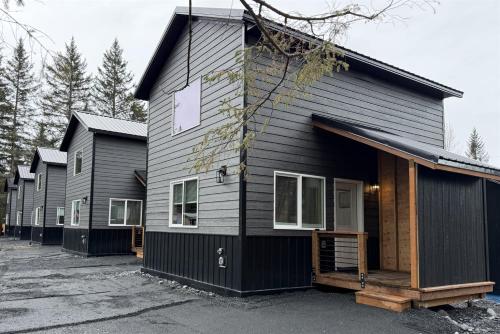

See all 120 tiny houses in Alaska →
2. Great Smoky Mountains — a yurt village in the hills
In the North Carolina Smokies, Maggie Valley has a whole yurt village — a cluster of colour-coded felt rooms (the Teal Yurt, the Big Blue Yurt) strung through the trees, wood stoves inside and the misty ridgelines outside. It's a gentle way into round living: national-park hiking on the doorstep, a proper bed under the crown skylight, and none of the commitment of pitching your own.
Top-rated stays here
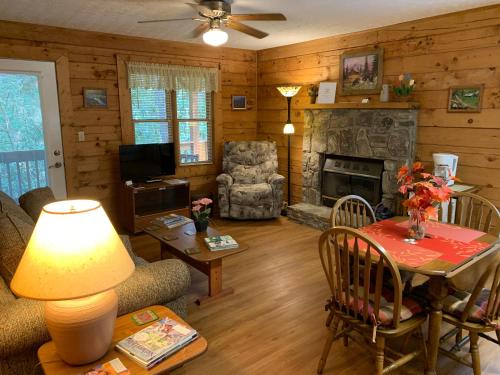
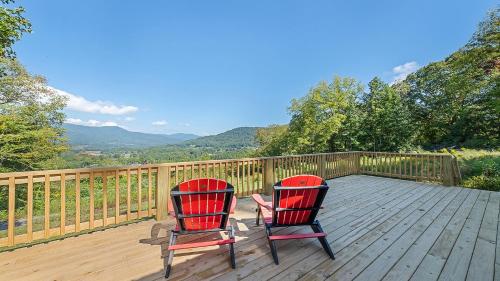

See all 28 tiny houses in Maggie Valley →
3. Texas Hill Country — the Yurtopian
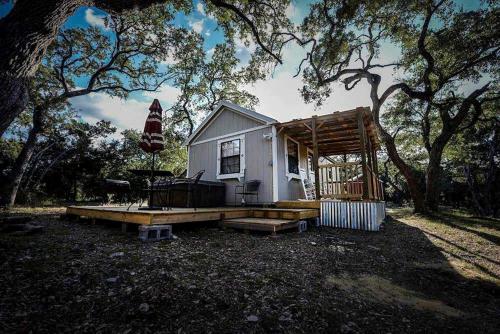
Around Wimberley in the Texas Hill Country, a few design-minded yurts — the Yurtopian among them — put the round room to work in a warmer key: a hot tub under the oaks, cypress-lined swimming holes down the road, and a skylight for the big Texas night. This is the yurt as a romantic bolthole rather than a snow shelter, and in the Hill Country heat that circle of shade earns its keep.
Top-rated stays here

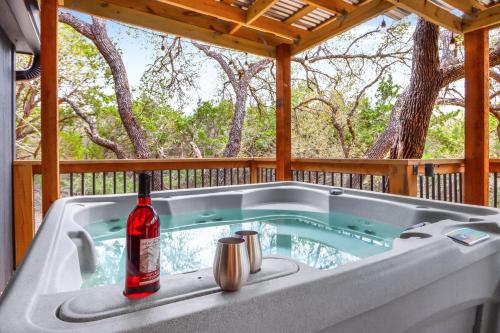
See all 59 tiny houses in Texas Hill Country →
4. Upper Galilee — a felt room in the oak groves
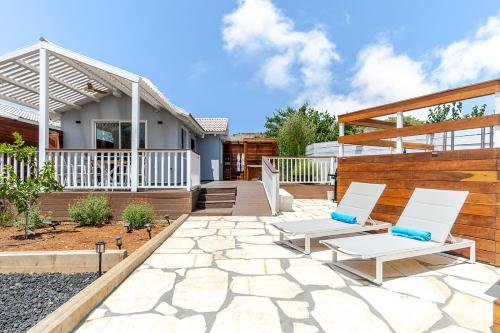
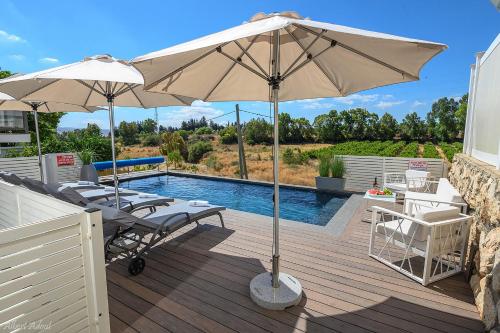
Up in the green hills of the Upper Galilee, northern Israel's cool, wooded corner, you'll find yurts pitched in oak groves — a round felt room among the trees within striking distance of the Golan, the Hula Valley's migrating birds and a great deal of very good wine. It's the most unexpected entry on this list and one of the loveliest: a steppe tent, improbably, in the Galilean hills.
Top-rated stays here

See all 34 tiny houses in Upper Galilee →
5. Zermatt — a yurt under the Matterhorn
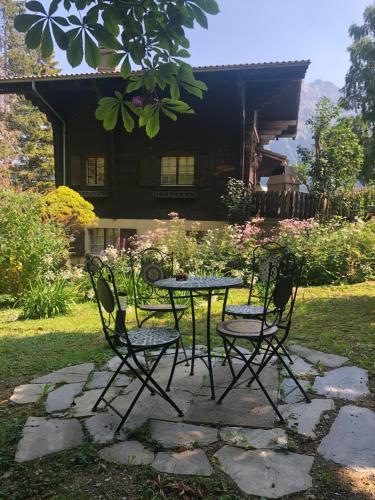
Yes, you can sleep in a yurt under the Matterhorn. Around Zermatt and the Valais, a handful of felt-and-timber rooms bring the round idea into serious Alpine terrain — a wood stove doing exactly what a wood stove was invented for, and one of the most famous mountains on earth out the door in the morning. Car-free Zermatt makes the whole thing feel even further from ordinary.
Top-rated stays here


See all 15 tiny houses in Zermatt & Valais →
6. Ohakune — round felt below the volcano
And back below Mount Ruapehu — the same New Zealand ski town that turns up in our A-frame and film lists — a yurt or two sit among the beech forest. Round felt against a volcano that played Mount Doom is a particular kind of cosy: ski season in winter, the Old Coach Road on a bike in summer, and a crown skylight over the bed for whatever the mountain weather is doing overhead.


