Let’s start with how the aurora actually behaves, because it decides everything else. You need three things at once: darkness (roughly September to March at these latitudes), a clear sky, and solar activity. The first you can plan, the second you can only improve your odds on by staying several nights, the third nobody controls — which is exactly why watching from a warm bed beats standing in a car park at 1am. A cabin turns aurora-hunting from an expedition into patience with a duvet.
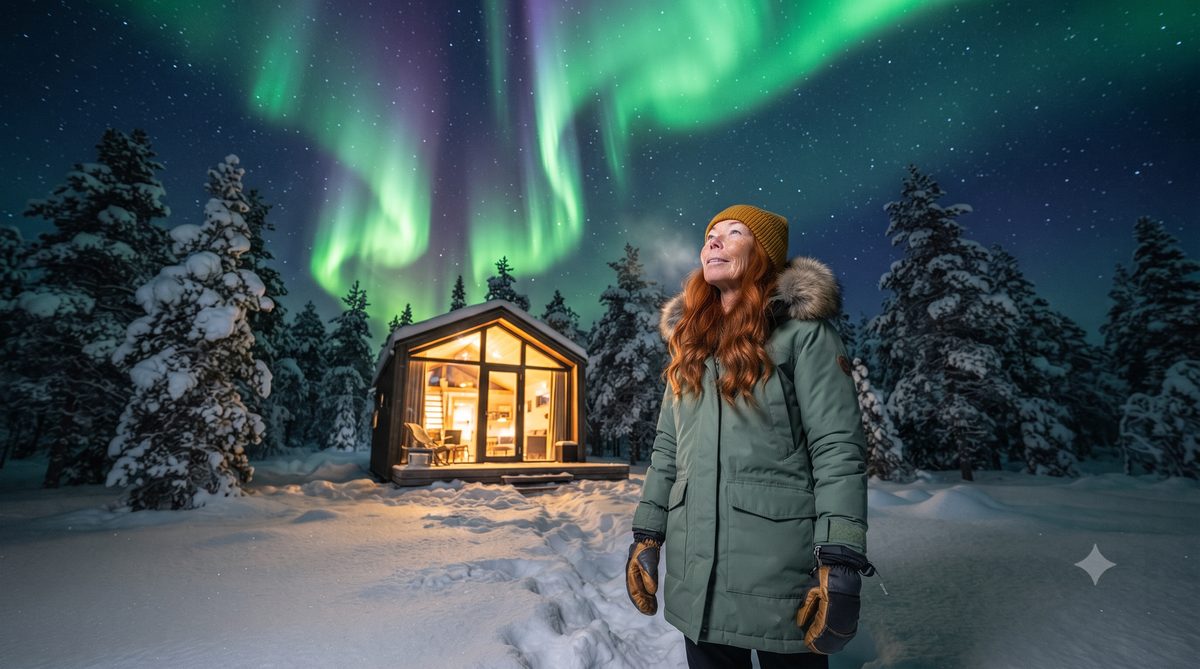
What to look for in an aurora-worthy tiny house
Four things separate a genuine aurora stay from a nice winter cabin: a glass roof or at least a big north-facing window you can see the sky from in bed; distance from village street-lighting; an unobstructed northern horizon (lakeshores and fell-sides beat deep forest); and multiple nights — three is the honest minimum for realistic odds in a given week. Apps that alert on solar activity do the waking for you.
Finnish Lapland: the art form — and our honest inventory
Around Rovaniemi and further north, Finland turned aurora-watching into architecture: glass igloos, aurora domes, forest huts with the bed angled at the sky. Full transparency about our own data: because every listing on this atlas is verified by name and building type, our Finnish Lapland shelf is still small — what we list is genuinely checked, and the cluster will grow as our sweeps continue.
Lofoten: the aurora coast you can book today
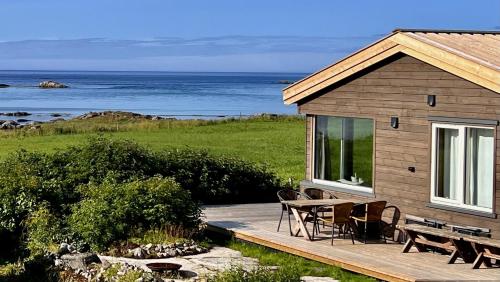
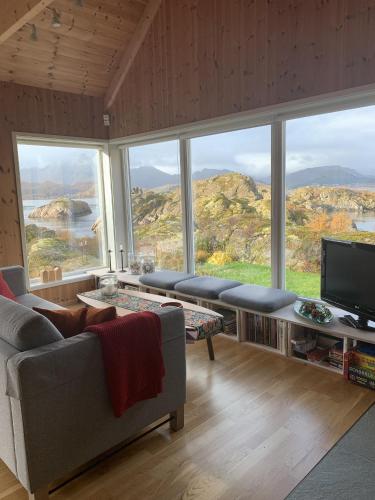
Norway’s Lofoten Islands sit right under the auroral oval, and they solve the biggest weakness of an aurora trip: the daytime. When the sky performs you watch it over granite peaks and sea; when it doesn’t, you spent the day in the most dramatic coastal scenery in Europe — fishing villages, surf beaches, mountain hikes. September to March is the window here too.
Top-rated stays here

The rest of the Nordic north
Further south the aurora becomes occasional rather than expected, but the Nordic winter-cabin experience holds: Hemsedal in Norway for serious skiing with hytte culture, Sweden’s Åre and the folklore country around Lake Siljan in Dalarna. On strong solar nights all of these can light up — just don’t book them for the aurora alone.
| Destination | Verified tiny stays | Typical price | Guest rating |
|---|---|---|---|
| Lofoten Islands, Norway | 53 | €220 | 8.9 |
| Finnish Lapland, Finland | 21 | €296 | 9.3 |
| Hemsedal, Norway | 26 | €182 | 8.8 |
| Åre, Sweden | 10 | €90 | 8.4 |
| Lake Siljan (Dalarna), Sweden | 10 | €139 | 8.5 |
Live from our database — these numbers recalculate on every page view.
Managing expectations — the paragraph most articles skip
Even in a perfect location in peak season, clouds win some weeks. A full moon washes out faint displays. And the aurora keeps its own calendar — the strongest shows often come in bursts around the equinoxes. Book the trip for the Arctic winter itself: the blue light, the silence, the wood stove. Then every green ribbon across the sky is a gift rather than a refund case. And if you’d rather have guaranteed light: summer swaps the aurora for the midnight sun, which needs no luck at all.