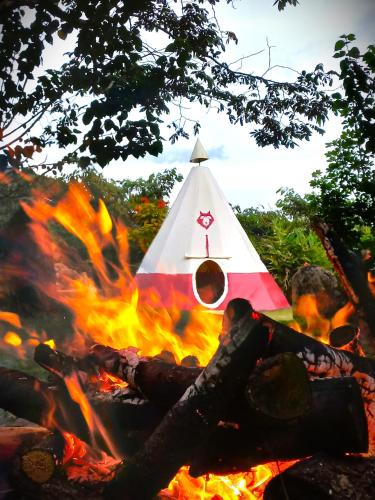
 Tipi Verified
Oxapampa · Peru
1. Biosfera Lodge tipi para 3 personas
Forest
Whole home, checked
€56/ nightPrice checked July 20, 2026
View & bookPeru's tiny-house map runs from Austro-German colonial cabins in the Oxapampa cloud forest to simple mountain refugios in the Sacred Valley near Cusco and the high peaks of the Cordillera Blanca above Huaraz.
15 verified tiny houses · 9.7/10 · 368 reviews · Latest check: September 27, 2026 · see on the map →
Of Peru's fourteen verified stays, Oxapampa in the central jungle region of Pasco holds the most — nine — with the Sacred Valley near Cusco and the Cordillera Blanca above Huaraz splitting the rest, three and two. The three regions could not be more different: cloud forest, sacred Incan valley and glaciated high mountains.
Oxapampa has an unusual history: the town was founded in 1857 by Tyrolean and German colonists who cleared cloud forest at the edge of the Amazon basin, and the result is a settlement of alpine-style timber buildings surrounded by tropical rainforest inside Yanachaga-Chemillén National Park. The cabins here are wooden and mostly simple, some echoing that Austro-German heritage, set in a warmer, more humid climate than the other two regions.
The Sacred Valley, around Urubamba between Cusco and Machu Picchu, is Incan terraced farmland at roughly 2,800 metres — cooler and drier than Oxapampa. Stays sit among ruins and traditional villages, a natural base for travellers splitting time between Cusco and Machu Picchu, though the altitude is worth a day or two of acclimatization before heading further into the mountains.
Huaraz and the Cordillera Blanca, in the Ancash region, sit in the highest tropical mountain range on Earth, with glaciated peaks over 6,000 metres and the town of Huaraz itself already above 3,000. This is trekking country — a base for multi-day routes like Santa Cruz and day hikes to glacial lakes such as Laguna 69 — and the cabins here are basic, built for hikers rather than lounging. Across all three regions the pattern holds: mostly plain wooden cabins (twelve of fourteen stays), a couple of tipi-style stays mixed in, and an average of around 60 euros a night, reasonable by international standards. Oxapampa's forest is best April to October, avoiding the wettest months, while both Andean regions share a dry season from May to September when trails are clearer and mountain views are at their best. The three areas sit far apart — expect internal flights or long bus rides between them rather than a single road trip.
Tipi VerifiedOxapampa · Peru
Forest
 Tipi Verified
Oxapampa · Peru
Forest
 Geodesic dome
Huaraz & Cordillera Blanca · Peru
In Huaraz, about 6 km from Huaraz & Cordillera Blanca · Mountains
 Geodesic dome
Sacred Valley (Urubamba) · Peru
In Pachar, about 12 km from Sacred Valley (Urubamba) · Mountains
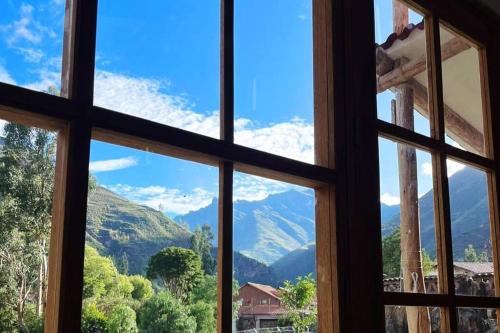 Cabin Verified
Sacred Valley (Urubamba) · Peru
In Lamay, about 22 km from Sacred Valley (Urubamba) · Mountains
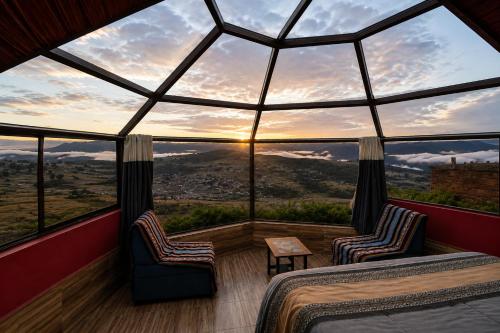 Geodesic dome
Sacred Valley (Urubamba) · Peru
In Cusco, about 9 km from Sacred Valley (Urubamba) · Mountains
 Cabin Verified
Oxapampa · Peru
Forest
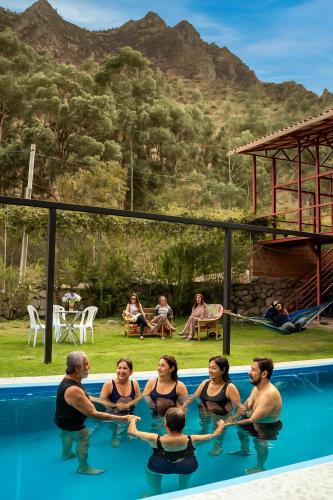 Cabin Verified
Sacred Valley (Urubamba) · Peru
In Urubamba, about 3 km from Sacred Valley (Urubamba) · Mountains
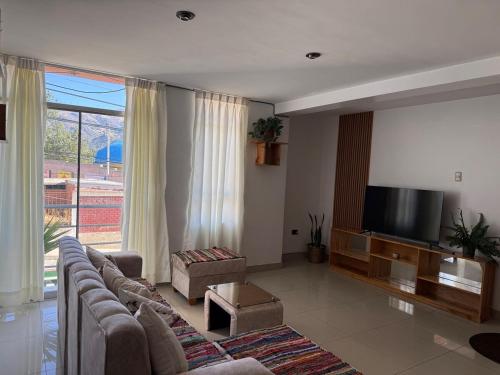 Cabin Verified
Huaraz & Cordillera Blanca · Peru
In Huaraz · Mountains
 Cabin Verified
Oxapampa · Peru
Forest
 Cabin Verified
Oxapampa · Peru
Forest
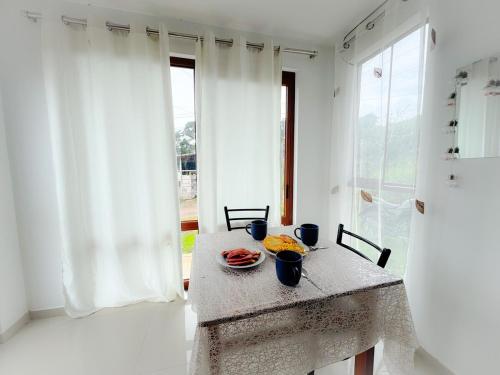 Cabin Verified
Oxapampa · Peru
about 4 km from Oxapampa · Forest
 Cabin Verified
Sacred Valley (Urubamba) · Peru
In Cheqquerec, about 11 km from Sacred Valley (Urubamba) · Mountains
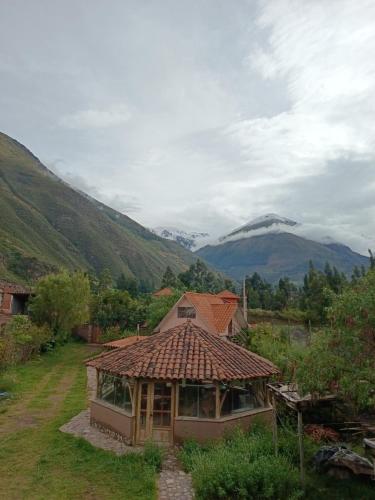 Cabin Verified
Sacred Valley (Urubamba) · Peru
In Urubamba, about 9 km from Sacred Valley (Urubamba) · Mountains
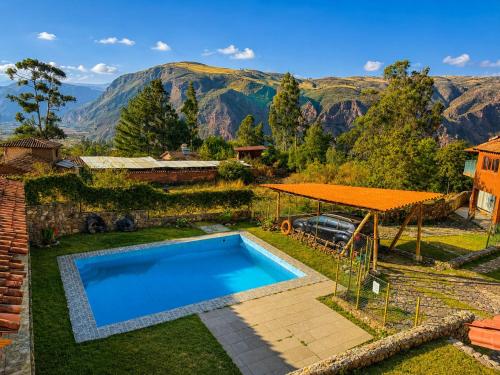 Cabin Verified
Sacred Valley (Urubamba) · Peru
In Urubamba, about 7 km from Sacred Valley (Urubamba) · Mountains
See all stays in Peru on Booking.comIncludes hotels and apartments, not only tiny houses.
Every place is checked by name and type before it goes live — no hotel rooms, no ordinary apartments.
These stays we confirmed with an outside source on top, and amenities like hot tubs count only once verified — never guessed.
Your booking completes on Booking.com or Vrbo at their price. The atlas earns a small commission, at no cost to you.
Oxapampa was settled by Tyrolean and German colonists in 1857, so its wooden cabins carry an alpine-style influence despite sitting in Amazon-edge cloud forest — a genuinely unusual combination.
Yes, it sits between Cusco and Machu Picchu among Incan terraces and villages, though at around 2,800 metres it's worth a day or two to acclimatize before heading higher.
Huaraz itself sits above 3,000 metres in the Cordillera Blanca, the highest tropical mountain range on Earth — these cabins are aimed squarely at trekkers heading for routes like Santa Cruz or Laguna 69.
Peru averages around 60 euros a night, on the affordable end of this list. Oxapampa is best April to October; the Sacred Valley and Huaraz share a dry season from May to September.
Booking sites don’t have a “tiny house” category — they file these stays under the generic “Accommodation” label. So we check every place by name and type and list only genuine free-standing small homes: tiny houses (on wheels or fixed), cabins, glamping pods, shepherd huts, yurts, domes and tree houses. No hotel rooms, no ordinary apartments.
The atlas currently lists 5517 hand-checked small stays across 485 destinations in 79 countries — 3731 of them additionally verified through independent research with a documented source.
Prices and availability come from our booking partners and can change at any time. Booking links are affiliate links — booking through them supports this site at no extra cost to you. Property type is checked from the listing name and category; if you spot a mistake, let us know.